Free consultation

Our News

Why Surveillance Footage Disappears in Slip and Fall Cases
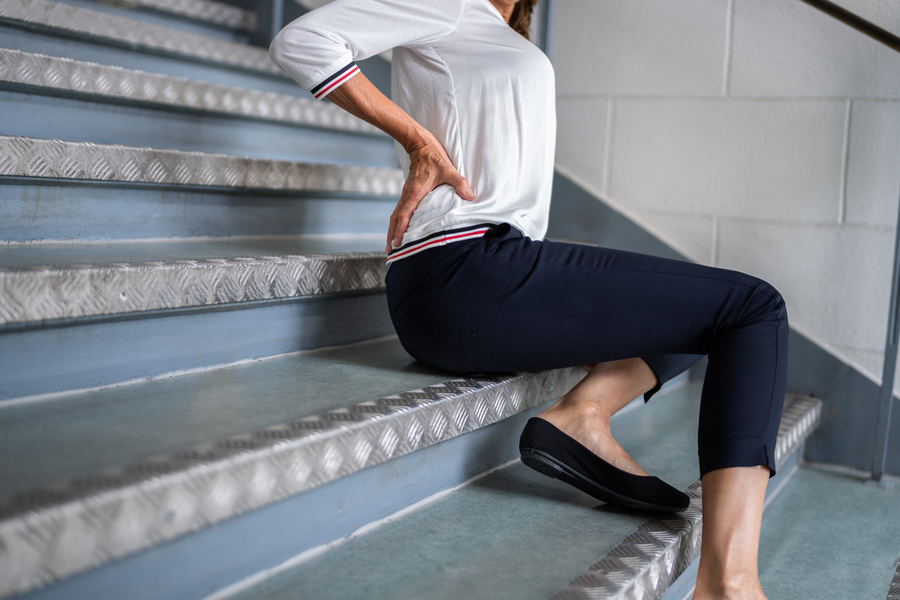
Mature Woman Lying On Staircase After Slip And Fall Accident

Slip and fall accidents can happen anywhere, from grocery stores to office buildings. When such incidents occur, surveillance footage can serve as an important piece of evidence. However, it is not uncommon for this footage to disappear due to video retention policies, evidence deletion, human error, or technical issues. In this blog, Hicks & Motto explains why acting quickly matters and how a Slips And Falls Attorney in Palm Beach Gardens, FL can help protect important evidence.

The Importance of Surveillance Footage in Slip and Fall Cases

Surveillance footage plays an important role in slip and fall cases as it provides objective evidence of the incident. This type of evidence can help establish the circumstances surrounding the fall, such as the condition of the floor and the actions of individuals involved. It can also illustrate whether any warning signs were present and if there was negligence on the part of the property owner.

For a Slips And Falls Attorney such as Hicks & Motto, having access to this footage can strengthen a case by providing strong proof of the incident. Unfortunately, obtaining this footage is not always straightforward, and its disappearance can complicate matters significantly.

Reasons Why Surveillance Footage Disappears

1. Video Retention Policies

One of the primary reasons surveillance footage disappears is due to video retention policies set by businesses. Many establishments have policies that decide how long surveillance footage is kept before being automatically overwritten or deleted. These policies can range from a few days to a few months. In some cases, footage is only stored for as little as 24 to 48 hours.

It’s important for anyone involved in a slip and fall case to act quickly to request this footage before it is lost forever. Understanding the retention policies of the establishment where the incident occurred can help in taking timely action.

2. Human Error

Human error is another factor contributing to the disappearance of surveillance footage. Employees tasked with managing the surveillance system may accidentally delete footage or fail to save it properly. Mistakes happen, and when they do, critical evidence can be lost.

3. Intentional Deletion

Unfortunately, there are instances where footage is intentionally deleted. This may occur if a business fears that the footage could be damaging to their case. While this is unethical and potentially illegal, proving intentional deletion can be challenging without a thorough investigation.

4. Technical Malfunctions

Technical malfunctions can also lead to the loss of surveillance footage. Cameras may fail to record due to power outages, hardware malfunctions, or software glitches. While these issues are often beyond anyone’s control, they highlight the importance of acting quickly to secure existing footage before such problems arise.

The Legal Implications of Missing Footage

The absence of surveillance footage can have serious legal implications for a slip and fall case. Without this evidence, it becomes more challenging to prove negligence and liability. This can result in a weaker case and potentially lower compensation for the victim.

In some jurisdictions, courts may allow for an assumption of negligence if it can be shown that footage was intentionally destroyed. However, this is not guaranteed and can be difficult to prove. As such, the loss of footage often places a heavier burden on the victim to provide alternative evidence. For more on how liability disputes happen, read our guide on when property owners deny responsibility for injuries.

Steps to Take When Surveillance Footage Disappears

1. Act Quickly

Time matters when dealing with surveillance footage. As soon as a slip and fall incident occurs, it’s important to notify the property owner and request that the footage be saved. Providing a written request can serve as a record and may be helpful if legal action becomes necessary.

2. Consult a Legal Professional

Engaging with a legal professional, such as a Slips And Falls Attorney in Palm Beach Gardens, FL, can provide guidance on how to proceed. An experienced attorney can assist in drafting formal requests for footage and may take legal action if necessary to prevent evidence destruction.

3. Gather Alternative Evidence

In the absence of surveillance footage, gathering alternative evidence becomes essential. This can include witness testimonies, photographs of the scene, and medical records detailing injuries sustained. These pieces of evidence can help fill the gap left by missing footage.

Preventing the Loss of Surveillance Footage

While it’s not always possible to prevent the loss of surveillance footage, there are steps that businesses and individuals can take to minimize the risk.

1. Regularly Review and Update Retention Policies

Businesses should regularly review their video retention policies to ensure they are enough for their needs. Longer retention periods can help preserve footage in the event of an incident and reduce the chance of evidence being lost due to automatic deletion.

2. Implement Training for Staff

Proper training for staff responsible for managing surveillance systems can help prevent human errors. Ensuring that employees understand the importance of footage preservation and the procedures for saving and retrieving footage can reduce the risk of accidental deletion.

3. Invest in Reliable Technology

Investing in reliable and up-to-date surveillance technology can help reduce the risk of technical malfunctions. Regular maintenance and timely upgrades can ensure that systems are functioning correctly and that footage is being recorded and stored as intended.

Surveillance footage can be a valuable asset in slip and fall cases, providing important evidence that can strongly affect a claim. However, the disappearance of this footage is a common issue that can have serious implications for victims seeking justice. Understanding the reasons behind the loss of footage and taking quick steps can help preserve this vital evidence.

For anyone involved in a slip and fall incident, acting quickly and seeking legal assistance is essential. If you find yourself in this situation, consider reaching out to Hicks & Motto to explore your options and ensure your rights are protected. By being quick and informed, we can better handle the details of slip and fall cases and work towards a fair resolution. Contact us today for more information.

Arrow-Left IconBack to all news
We use cookies to personalise content and ads, to provide social media features and to analyse our traffic. We also share information about your use of our site with our social media, advertising and analytics partners.
Cookies settings
Accept
Privacy & Cookie policy
Privacy & Cookies policy
Cookie name Active

Privacy Policy

What information do we collect?

We collect information from you when you register on our site or place an order. When ordering or registering on our site, as appropriate, you may be asked to enter your: name, e-mail address or mailing address.

What do we use your information for?

Any of the information we collect from you may be used in one of the following ways: To personalize your experience (your information helps us to better respond to your individual needs) To improve our website (we continually strive to improve our website offerings based on the information and feedback we receive from you) To improve customer service (your information helps us to more effectively respond to your customer service requests and support needs) To process transactions Your information, whether public or private, will not be sold, exchanged, transferred, or given to any other company for any reason whatsoever, without your consent, other than for the express purpose of delivering the purchased product or service requested. To administer a contest, promotion, survey or other site feature To send periodic emails The email address you provide for order processing, will only be used to send you information and updates pertaining to your order.

How do we protect your information?

We implement a variety of security measures to maintain the safety of your personal information when you place an order or enter, submit, or access your personal information. We offer the use of a secure server. All supplied sensitive/credit information is transmitted via Secure Socket Layer (SSL) technology and then encrypted into our Payment gateway providers database only to be accessible by those authorized with special access rights to such systems, and are required to?keep the information confidential. After a transaction, your private information (credit cards, social security numbers, financials, etc.) will not be kept on file for more than 60 days.

Do we use cookies?

Yes (Cookies are small files that a site or its service provider transfers to your computers hard drive through your Web browser (if you allow) that enables the sites or service providers systems to recognize your browser and capture and remember certain information We use cookies to help us remember and process the items in your shopping cart, understand and save your preferences for future visits, keep track of advertisements and compile aggregate data about site traffic and site interaction so that we can offer better site experiences and tools in the future. We may contract with third-party service providers to assist us in better understanding our site visitors. These service providers are not permitted to use the information collected on our behalf except to help us conduct and improve our business. If you prefer, you can choose to have your computer warn you each time a cookie is being sent, or you can choose to turn off all cookies via your browser settings. Like most websites, if you turn your cookies off, some of our services may not function properly. However, you can still place orders by contacting customer service. Google Analytics We use Google Analytics on our sites for anonymous reporting of site usage and for advertising on the site. If you would like to opt-out of Google Analytics monitoring your behaviour on our sites please use this link (https://tools.google.com/dlpage/gaoptout/)

Do we disclose any information to outside parties?

We do not sell, trade, or otherwise transfer to outside parties your personally identifiable information. This does not include trusted third parties who assist us in operating our website, conducting our business, or servicing you, so long as those parties agree to keep this information confidential. We may also release your information when we believe release is appropriate to comply with the law, enforce our site policies, or protect ours or others rights, property, or safety. However, non-personally identifiable visitor information may be provided to other parties for marketing, advertising, or other uses.

Registration

The minimum information we need to register you is your name, email address and a password. We will ask you more questions for different services, including sales promotions. Unless we say otherwise, you have to answer all the registration questions. We may also ask some other, voluntary questions during registration for certain services (for example, professional networks) so we can gain a clearer understanding of who you are. This also allows us to personalise services for you. To assist us in our marketing, in addition to the data that you provide to us if you register, we may also obtain data from trusted third parties to help us understand what you might be interested in. This ‘profiling’ information is produced from a variety of sources, including publicly available data (such as the electoral roll) or from sources such as surveys and polls where you have given your permission for your data to be shared. You can choose not to have such data shared with the Guardian from these sources by logging into your account and changing the settings in the privacy section. After you have registered, and with your permission, we may send you emails we think may interest you. Newsletters may be personalised based on what you have been reading on theguardian.com. At any time you can decide not to receive these emails and will be able to ‘unsubscribe’. Logging in using social networking credentials If you log-in to our sites using a Facebook log-in, you are granting permission to Facebook to share your user details with us. This will include your name, email address, date of birth and location which will then be used to form a Guardian identity. You can also use your picture from Facebook as part of your profile. This will also allow us and Facebook to share your, networks, user ID and any other information you choose to share according to your Facebook account settings. If you remove the Guardian app from your Facebook settings, we will no longer have access to this information. If you log-in to our sites using a Google log-in, you grant permission to Google to share your user details with us. This will include your name, email address, date of birth, sex and location which we will then use to form a Guardian identity. You may use your picture from Google as part of your profile. This also allows us to share your networks, user ID and any other information you choose to share according to your Google account settings. If you remove the Guardian from your Google settings, we will no longer have access to this information. If you log-in to our sites using a twitter log-in, we receive your avatar (the small picture that appears next to your tweets) and twitter username.

Children’s Online Privacy Protection Act Compliance

We are in compliance with the requirements of COPPA (Childrens Online Privacy Protection Act), we do not collect any information from anyone under 13 years of age. Our website, products and services are all directed to people who are at least 13 years old or older.

Updating your personal information

We offer a ‘My details’ page (also known as Dashboard), where you can update your personal information at any time, and change your marketing preferences. You can get to this page from most pages on the site – simply click on the ‘My details’ link at the top of the screen when you are signed in.

Online Privacy Policy Only

This online privacy policy applies only to information collected through our website and not to information collected offline.

Your Consent

By using our site, you consent to our privacy policy.

Changes to our Privacy Policy

If we decide to change our privacy policy, we will post those changes on this page.
Save settings
Cookies settings