Free consultation

Can You Recover After a Hit-and-Run Accident in Florida?

car accident scene

When a driver leaves the scene of a crash, injured people may be left with questions about medical care, police reports, insurance coverage, evidence, and possible recovery options. A hit-and-run accident in Florida can also involve added challenges if the at-fault driver is not identified or does not have available insurance. In this blog, Hicks & Motto explains what steps may help protect an injury claim after a hit-and-run crash.

Understanding Hit-and-Run Accidents in Florida

In Florida, a hit-and-run accident occurs when a driver involved in an accident fails to stop and provide information or help injured people. This is a serious crime, and Florida law imposes severe penalties on offenders. Despite the legal framework, these incidents still happen frequently, leaving victims to deal with the aftermath alone. Understanding your rights and options is important in these situations.

Legal Obligations of Drivers

Under Florida law, drivers involved in an accident are required to stop immediately at the scene, provide their identification, and assist injured parties. Failure to do so can result in criminal charges, including fines, license suspension, and even imprisonment. For victims, the challenge often lies in identifying the fleeing driver.

Steps to Take Immediately After a Hit-and-Run

Being involved in a hit-and-run accident can be stressful, but taking the right steps early may help protect your health, evidence, and insurance claim.

  1. Ensure Safety: The first priority is to ensure your safety and that of any passengers. Move to a safe location if possible and check for injuries.
  2. Call the Police: Reporting the incident to law enforcement is important. They will document the accident and attempt to locate the fleeing driver. Make sure to provide them with as much information as possible, including the vehicle’s make, model, color, and license plate number if you have it.
  3. Gather Evidence: Collect evidence at the scene. This can include taking photos of your vehicle, the accident scene, and any visible injuries. If there are witnesses, gather their contact information and statements.
  4. Seek Medical Attention: Even if you feel fine, it’s important to get a medical evaluation. Some injuries may not be immediately apparent, and having medical records will be important for any future claims.
  5. Contact Your Insurance Company: Inform your insurance provider about the accident as soon as possible. They will guide you on the next steps and help initiate the claims process.

Insurance Considerations for Hit-and-Run Accidents

Recovering from a hit-and-run accident in Florida can be challenging, especially when the at-fault driver is unknown. However, there are insurance options that can assist you in these situations.

Personal Injury Protection (PIP)

Florida is a no-fault insurance state, which means your Personal Injury Protection (PIP) coverage will pay for your medical expenses and lost wages, regardless of who caused the accident. PIP may provide certain benefits after a crash, depending on the policy, claim details, and applicable Florida insurance rules.

Uninsured Motorist Coverage

Uninsured Motorist (UM) coverage is not mandatory in Florida, but it is highly recommended. This type of insurance covers you in situations where the at-fault driver is uninsured or cannot be identified, such as in a hit-and-run accident. If you have UM coverage, it may help with certain losses after a hit-and-run or uninsured motorist accident, depending on the policy terms.

Building a Hit-and-Run Injury Claim

Building a strong hit-and-run injury claim requires gathering evidence, understanding insurance policies, and sometimes seeking legal assistance. Here’s how you can strengthen your claim:

Collect and Preserve Evidence

The evidence you collect immediately after the accident is important. This includes photos, witness statements, police reports, and medical records. Keeping detailed records will support your claim and help establish the extent of your injuries and damages.

Work with Law Enforcement

Cooperating with the police is essential. They may find the at-fault driver, which can simplify the claims process. Even if the driver is not found, the police report will serve as an official record of the incident.

Consult a Car Accident Lawyer

Consider consulting with a car accident lawyer, especially if your case involves complex insurance issues or significant injuries. A car accident lawyer can provide guidance, communicate with insurance companies, and help you understand possible compensation options based on the facts of the case. They understand the details of Florida law and can help you understand the legal system effectively.

Potential Recovery Options

While recovering from a hit-and-run accident can be challenging, there are several avenues you can explore:

  • Insurance Claims: As mentioned, PIP and UM coverage can help cover your immediate expenses. Filing a claim with your insurance company is an important first step.
  • Legal Action: If the hit-and-run driver is identified, you may pursue a personal injury lawsuit to recover damages. This can include compensation for medical bills, lost wages, property damage, and pain and suffering.
  • Victim Compensation Programs: Florida offers compensation programs for crime victims, which may provide financial assistance to hit-and-run victims.

Taking Control of Your Recovery

Experiencing a hit-and-run accident can be stressful, but you don’t have to handle the situation alone. By understanding the steps to take immediately, exploring insurance options, and potentially seeking legal assistance, you can take control of your recovery. At Hicks & Motto Law Firm, we are committed to supporting victims of hit-and-run accidents in Florida. Our team can provide guidance and representation while helping you pursue compensation that may be available under the facts of your case.

If you or someone you know has been affected by a hit-and-run accident, don’t hesitate to reach out to us for a consultation. We are here to help you every step of the way.

Injured in a hit and run accident in Florida? Contact Hicks & Motto today to discuss your hit and run injury claim, uninsured motorist coverage, accident evidence, reporting steps, and how a car accident lawyer may be able to help.

The Impact of Mental Health on Personal Injury Claims

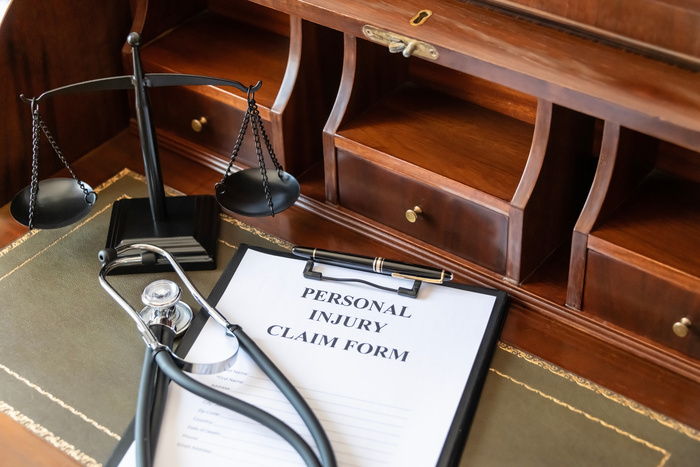
personal injury claim form

When people think about injury cases, physical injuries often come to mind first. However, emotional distress, anxiety, PTSD, depression, and other psychological effects may also play an important role after an accident. In this blog, Hicks & Motto explain how mental health can affect Personal Injury Claims, including evidence, compensation, legal challenges, and the importance of documenting both physical and emotional harm.

Understanding Personal Injury Claims

Before discussing the impact of mental health, it’s important to have a clear understanding of what personal injury claims involve. These claims are legal disputes that arise when an individual suffers harm from an accident or injury, and someone else might be legally responsible for that harm. The goal is to seek compensation for damages, which can include medical expenses, lost wages, and pain and suffering.

The Role of a Personal Injury Attorney

In these cases, a personal injury attorney is important in navigating the legal system, gathering evidence, and advocating for the claimant’s rights. A knowledgeable attorney can make a difference in the outcome of the case, especially when mental health issues are involved.

Mental Health and Its Impact on Personal Injury Claims

Mental health issues can arise as a direct result of an accident or injury, or they may be pre-existing conditions exacerbated by the incident. Either way, these issues can affect personal injury claims in several ways.

Psychological Injuries as Part of the Claim

It’s important to understand that psychological injuries are as valid as physical ones in a personal injury claim. Conditions such as PTSD, depression, and anxiety can result from traumatic events, and they can have long-lasting effects on an individual’s life.

  • PTSD (Post-Traumatic Stress Disorder): Often associated with severe accidents, PTSD can cause flashbacks, nightmares, and severe anxiety, impacting daily life.
  • Depression and Anxiety: These conditions can develop after an accident, leading to emotional distress and reduced quality of life.
  • Chronic Pain and Mental Health: Chronic physical pain from injuries can also contribute to mental health issues, creating a difficult interplay between physical and psychological suffering.

The Legal Challenges of Mental Health in Personal Injury Claims

While mental health issues are recognized in personal injury claims, they present unique challenges in the legal process. Proving psychological injuries can be more difficult than proving physical ones, requiring detailed evidence and expert testimony.

Proving Psychological Injuries

To successfully include mental health issues in a personal injury claim, it’s important to gather comprehensive evidence, which may include:

  1. Medical Records: Documentation from mental health professionals is important in supporting claims of psychological injuries.
  2. Expert Testimony: Mental health experts can provide testimony to explain the extent of psychological injuries and their impact on the claimant’s life.
  3. Personal Testimonies: Statements from family, friends, and colleagues can offer insight into how the claimant’s life has changed post-incident.

Challenges in Valuing Psychological Injuries

Another challenge is calculating psychological injuries in terms of compensation. Unlike physical injuries, which can be measured through medical bills and treatment costs, psychological injuries require a different approach. Compensation for mental health issues often involves:

  • Non-Economic Damages: These damages account for pain and suffering, emotional distress, and loss of enjoyment of life.
  • Therapy and Treatment Costs: Ongoing mental health treatment can be costly, and these expenses should be included in the claim.

The Role of a Personal Injury Attorney in Mental Health Claims

Handling the details of personal injury claims involving mental health issues requires expertise and experience. This is where a personal injury attorney in Palm Beach Gardens, FL can play an important role.

Advocating for Comprehensive Compensation

An experienced attorney understands the details of mental health claims and can help ensure that psychological injuries are given the attention they deserve. This includes:

  • Thorough Case Evaluation: An attorney will evaluate the full scope of the claimant’s injuries, both physical and psychological, to build a strong case.
  • Expert Network: Attorneys often have access to a network of mental health experts who can provide valuable testimony and evaluations.
  • Negotiation Skills: Skilled negotiators can advocate for fair compensation that reflects the true impact of mental health issues on the claimant’s life.

The Importance of Recognizing Mental Health in Personal Injury Claims

Recognizing the impact of mental health on personal injury claims is not only important for achieving fair compensation but also for raising awareness about the importance of psychological well-being. By acknowledging mental health issues in legal proceedings, we take a step towards reducing the stigma and ensuring that individuals receive the support they need.

Supporting Mental Health Recovery

Beyond compensation, addressing mental health in personal injury claims can facilitate recovery by providing resources for therapy, counseling, and support groups. This complete approach acknowledges the interconnectedness of physical and mental health.

Mental health plays a significant role in personal injury claims, affecting both the legal process and the compensation awarded. Understanding this connection is essential for claimants and attorneys alike, as it ensures that psychological injuries receive the attention and respect they deserve. At Hicks & Motto Law Firm, we are committed to advocating for our clients’ overall well-being, recognizing the importance of both physical and mental health in personal injury cases.

If you or a loved one is dealing with the aftermath of an accident, consider reaching out to a personal injury attorney in Palm Beach Gardens, FL to explore your options and ensure that your rights are protected.

For more information on personal injury claims and mental health, or to seek legal assistance, contact Hicks & Motto Law Firm and learn how we can support you in your journey towards recovery and justice.

The Benefits of Hiring a Personal Injury Attorney Early in the Process

personal injury

After an accident, whether it involves a car crash, slip and fall, or another injury-causing incident, the next steps can feel overwhelming. One important step is speaking with a Personal Injury Attorney in Palm Beach Gardens, FL, whom accident victims can rely on early in the process. At Hicks & Motto, we explain how early legal representation may help with case evaluation, evidence preservation, insurance claims, deadlines, and protecting your rights from the start.

Understanding the Legal Process

Understanding the legal process can be stressful, especially if you’re dealing with the physical and emotional toll of an injury. Early engagement of a personal injury attorney ensures that you have a professional to guide you through the legal process.

Comprehensive Case Evaluation

An experienced attorney will conduct a detailed review of your case from the beginning. This involves gathering all important information, including medical records, witness statements, and accident reports. By doing so, your attorney can determine the potential value of your claim and the best strategy moving forward.

Preservation of Evidence

Securing evidence is important in personal injury cases. The sooner an attorney is involved, the quicker they can start collecting and preserving evidence. This might include taking photographs of the accident scene, obtaining surveillance footage, and consulting with experts. Evidence can degrade or disappear over time, so early action matters.

Dealing with Insurance Companies

Insurance companies often aim to minimize payouts, and without legal representation, you might find yourself at a disadvantage. Engaging a personal injury attorney early ensures that your rights are protected from the start.

Handling Communications

An attorney will manage all communications with insurance companies, ensuring that nothing you say can be used against you. They are skilled in negotiating with insurers to secure a fair settlement, using their knowledge and experience to represent your interests.

Maximizing Compensation

With a professional handling your case, there’s a better chance of maximizing your compensation. Attorneys understand the details of claims and can identify all potential sources of compensation, including medical expenses, lost wages, and pain and suffering.

Legal Expertise and Knowledge

Attempting to handle a personal injury claim on your own can be difficult, particularly if you’re unfamiliar with legal procedures. A Personal Injury Attorney in Palm Beach Gardens, FL brings invaluable expertise to your case.

Navigating Legal Complexities

Legal proceedings involve detailed paperwork and important deadlines. An attorney ensures that all documents are filed correctly and on time, preventing any potential issues that could hurt your claim.

Understanding Legal Rights

Many individuals are unaware of their legal rights following an accident. A skilled attorney will educate you on your rights and options, helping you to make informed decisions about your case.

Reducing Stress and Anxiety

Recovering from an injury is challenging enough without the added stress of legal issues. Hiring an attorney early can reduce much of this burden, allowing you to focus on your recovery.

Peace of Mind

Knowing that a professional is handling your case provides peace of mind. You can rest assured that your attorney is working carefully to achieve the best possible outcome, allowing you to concentrate on healing.

Support and Guidance

An attorney provides ongoing support and guidance throughout the legal process. They are available to answer questions, provide updates, and offer reassurance every step of the way.

Proactive Steps for a Stronger Case

By hiring a personal injury attorney early, you are taking proactive steps to strengthen your case. This planned approach can make a significant difference in the outcome of your claim.

Developing a Strong Legal Strategy

Attorneys develop a tailored legal strategy based on the specifics of your case. This includes identifying potential challenges and developing solutions to overcome them, ensuring that your case is as strong as possible when it goes to court or settlement negotiations.

Preparing for Litigation

While many personal injury cases are settled out of court, some may require litigation. An attorney will prepare your case for trial from the beginning, ensuring that all necessary evidence and arguments are ready if litigation becomes necessary.

The Importance of Early Legal Representation

Engaging a personal injury attorney early in the process offers many benefits, from expert legal guidance to stress reduction and improved chances of a favorable outcome. At Hicks & Motto Law Firm, we are committed to providing legal support to those in need. If you or a loved one has been injured, don’t wait—seek the help you need from the start to ensure your rights are protected and your claim is handled with the utmost care and professionalism.

If you were injured in an accident, contact Hicks & Motto today to discuss your case and understand the next steps for protecting your claim.


Understanding How Delayed Symptoms Affect Brain Injury Claim Credibility

Head injury attorney discussing case with the victim

Brain and head injury claims can be difficult when symptoms appear days or weeks after an accident, especially if insurers question delayed diagnosis or medical consistency. In this blog, Hicks & Motto explains how delayed symptoms may affect claim credibility, why documentation matters, and when speaking with a Brain Injury or Head Injury Attorney in Palm Beach Gardens, FL may help protect your rights.

The Nature of Brain Injuries and Delayed Symptoms

Brain injuries can appear in a variety of ways, ranging from mild concussions to severe traumatic brain injuries (TBIs). What complicates these cases further is the nature of brain injuries, where symptoms may not appear immediately. This delayed onset can affect the credibility of a claim, as insurance companies and opposing legal teams may question the validity of the symptoms reported long after the incident.

Why Do Symptoms Get Delayed?

There are several reasons why brain injury symptoms might not appear immediately:

  • Subtle Initial Symptoms: Some brain injuries start with subtle symptoms that are easily overlooked, such as headaches or slight dizziness.
  • Physiological Delays: The brain’s response to trauma can be gradual, with symptoms appearing as the brain swells or as neural pathways are disrupted over time.
  • Delayed Diagnosis: Initial medical assessments might miss mild symptoms, leading to a delay in diagnosis and later symptom recognition.

Impact on Claim Credibility

The credibility of a brain injury claim is often closely reviewed, especially when symptoms are reported later. Insurance companies may argue that delayed symptoms suggest other causes or that they are overstated. Here are some factors that can influence claim credibility:

Medical Consistency

Consistency in medical records is crucial for establishing the legitimacy of a brain injury claim. Regular medical documentation from the time of the accident, even if symptoms are mild, helps in building a credible case. Medical consistency involves:

  • Frequent Medical Visits: Regular check-ups and documentation of any changes in symptoms can support the claim.
  • Detailed Medical Records: Comprehensive records detailing the nature of symptoms and their progression can demonstrate the link between the injury and the symptoms.

Expert Testimony

In cases where symptoms are delayed, expert testimony can be invaluable. Medical experts can provide insights into why symptoms might appear later and attest to the link between the initial injury and the delayed symptoms. This testimony can strengthen the credibility of a claim.

Strategies for Strengthening a Brain Injury Claim

For those pursuing a brain injury claim, it is important to adopt strategies that enhance credibility, particularly when dealing with delayed symptoms. Here are some approaches:

Early and Continuous Medical Evaluation

Seeking medical attention immediately after an accident, even if symptoms are not severe, is important. Continuous evaluation helps in documenting any changes and provides a timeline of symptom development.

Comprehensive Documentation

Keeping detailed records of all medical visits, treatments, and any changes in symptoms is important. This documentation serves as evidence of the injury’s impact over time.

Engaging a Specialized Attorney

Working with a Brain Injury or Head Injury Attorney in Palm Beach Gardens, FL who understands the details of brain injury claims can make a significant difference. An experienced attorney will know how to gather the necessary evidence and present it effectively to support the claim.

The Role of Medical Documentation

Medical documentation plays an important role in brain injury claims, especially when symptoms are delayed. Accurate and thorough records can make or break a case. Here’s why medical documentation is so important:

Establishing a Timeline

Medical records help establish a timeline of symptoms and treatments, which is crucial for showing that delayed symptoms are related to the initial injury.

Proving Medical Consistency

Consistent medical documentation supports the argument that the symptoms are genuine and related to the injury, rather than being fabricated or exaggerated.

Supporting Expert Testimony

Medical records provide the foundation for expert testimony, which can explain the medical reasons behind delayed symptoms and their connection to the initial injury. For more context on why these cases are often challenged, read our guide on why brain and head injuries are the most disputed injury claims.

Challenges in Proving Delayed Symptoms

While delayed symptoms are a recognized phenomenon in brain injury cases, proving their credibility can be challenging. Here are some common challenges:

Insurance Company Skepticism

Insurance companies often approach delayed symptoms with skepticism, questioning their validity and looking for other potential causes. This skepticism can make it difficult to secure a fair settlement.

Legal Hurdles

From a legal perspective, proving that delayed symptoms are connected to the original incident requires strong evidence and expert testimony. Without these, the case might not hold up in court.

Handling the Challenges of Brain Injury Claims

Dealing with brain injury claims involving delayed symptoms requires a careful approach and a thorough understanding of the legal and medical intricacies involved. At Hicks & Motto, we emphasize the importance of early medical evaluation, detailed documentation, and expert testimony to build a strong case. By focusing on these aspects, we aim to overcome the challenges posed by delayed symptoms and secure the compensation our clients deserve.

If you or a loved one is dealing with a brain injury and facing challenges related to delayed symptoms, seeking the guidance of a specialized Brain Injury or Head Injury Attorney in Palm Beach Gardens, FL could be the key to navigating this legal process effectively. Contact us to discuss your case and explore your legal options.

Why Brain and Head Injuries Are the Most Disputed Injury Claims?

Female patients sitting on wheelchairs have pain after hospitalization for head injury

When it comes to personal injury claims, few are as complex and contentious as those involving brain and head injuries. In this article, Hicks & Motto explains why invisible injuries, neurological symptoms, and insurer skepticism can make these claims challenging, and how a Brain Injury or Head Injury Attorney in Palm Beach Gardens, FL can help protect your rights.

The Complexity of Brain and Head Injuries

Brain and head injuries are complicated due to their invisible nature. Unlike a broken bone or a visible wound, the damage to the brain is not always noticeable right away. This invisibility can lead to questions from insurers and complicate the claims process.

Delayed Onset of Symptoms

One of the primary reasons brain and head injuries are often disputed is the delayed onset of symptoms. After an accident, symptoms such as headaches, dizziness, and cognitive difficulties may not appear until days, weeks, or even months later. This delay can make it difficult to establish a direct link between the injury and the incident, leading insurers to question the validity of the claim.

Invisible Trauma

The brain is a delicate organ, and even a minor impact can cause serious damage. However, because this damage is not visible to the naked eye, it is often referred to as invisible trauma. This invisibility makes it challenging for victims to prove the extent of their injuries, as insurers often require clear evidence to support their claims.

Insurer Skepticism and Disputes

Insurance companies are in the business of minimizing payouts, and brain and head injury claims present an opportunity for them to do just that. Here are some reasons why insurers are often skeptical of these claims:

  • Lack of Objective Evidence: As mentioned earlier, the lack of visible evidence can lead insurers to doubt the severity of the injury.
  • Pre-Existing Conditions: Insurers may argue that the symptoms are due to pre-existing conditions rather than the accident itself.
  • Subjective Symptoms: Symptoms such as pain and cognitive difficulties are subjective and difficult to measure, making them easier for insurers to dispute.

The Role of Medical Evidence

To counter insurer skepticism, it is important to gather comprehensive medical evidence. This includes:

  1. Medical Records: Detailed records from healthcare providers documenting the injury and treatment.
  2. Neuropsychological Evaluations: Assessments that provide insight into the neurological impact of the injury.
  3. Imaging Studies: MRI and CT scans can sometimes reveal the physical damage to the brain.

The Legal Process and Challenges

Given the complexity of brain and head injury claims, navigating the legal process can be stressful. Here are some of the challenges faced during this process:

Proving Causation

One of the major challenges in these claims is proving causation. To succeed, claimants must demonstrate that the injury was directly caused by the incident in question. This requires a combination of medical evidence and expert testimony.

Overcoming Insurer Tactics

Insurers often employ various tactics to dispute claims, such as requesting excessive documentation or using delays. Having an experienced attorney can help counter these strategies and ensure that your claim is handled fairly.

The Importance of Legal Representation

Given the challenges and potential disputes involved in brain and head injury claims, having legal representation is important. A skilled Brain Injury or Head Injury Attorney in Palm Beach Gardens, FL, can provide invaluable assistance throughout the claims process.

Expertise in Handling Complex Cases

Attorneys specializing in brain and head injuries have the expertise needed to handle the details of these claims. They understand the medical aspects, know how to gather and present evidence effectively, and can anticipate and counter insurer tactics.

Maximizing Compensation

With the help of an experienced attorney, you can maximize the compensation you receive. This includes not only covering medical expenses but also accounting for lost wages, pain and suffering, and any long-term care needs.

Steps to Take After a Brain or Head Injury

If you or a loved one has suffered a brain or head injury, it is important to take specific steps to protect your rights and strengthen your claim:

  1. Seek Immediate Medical Attention: Even if symptoms are not noticeable right away, it is important to get a medical evaluation as soon as possible.
  2. Document Everything: Keep detailed records of medical visits, symptoms, and any impact on your daily life.
  3. Consult with an Attorney: Reach out to a qualified attorney like us at Hicks & Motto Law Firm to discuss your case and explore your legal options.

Brain and head injuries are among the most disputed injury claims due to their invisible nature and the delayed onset of symptoms. Insurer skepticism further complicates these claims, making it essential to gather comprehensive medical evidence and seek experienced legal representation. At Hicks & Motto Law Firm, we are committed to helping our clients navigate these challenges and secure the compensation they deserve.

If you are facing a brain or head injury claim, consider reaching out to a Brain Injury or Head Injury Attorney in Palm Beach Gardens, FL, for guidance and support. For more information on how we can assist with your claim, contact us today.

The First 7 Days After an Injury That Shape the Outcome of a Claim

Courtroom consultation between attorney and injured client with casted hand, gavel and legal document, symbolizing personal injury lawsuit and claim negotiation

When an injury occurs, the first few days can have a direct effect on how a claim is handled. The actions taken immediately after an accident influence how liability is determined, how evidence is preserved, and how compensation is calculated. As a Personal Injury Attorney in Palm Beach Gardens, FL, Hicks & Motto works closely with clients to make sure these early steps strengthen their case rather than create setbacks. Understanding what to do in the first seven days after an injury can make a meaningful difference in the overall claim timeline and outcome..

Day 1: Immediate Medical Attention

The first and most important step after an injury is to seek medical attention immediately. This is essential not only for your health but also for your claim. Medical records serve as crucial evidence in personal injury cases, documenting the extent of injuries and providing a timeline that correlates with the incident.

  • Visit a Healthcare Provider: Even if the injuries seem minor, it’s crucial to get a professional evaluation. Some injuries may not manifest symptoms immediately.
  • Document Medical Visits: Keep all medical reports, prescriptions, and bills, as they will be vital for your claim.

Day 2: Reporting the Incident

Reporting the incident to the relevant authorities is a step that cannot be skipped. Whether it’s a car accident, a workplace injury, or a slip and fall, making an official report is a critical part of the claim process.

Why Reporting Matters

Filing a report creates an official record of the incident. It establishes the fact that the injury occurred and provides a documented account of the circumstances surrounding the event.

  • Car Accidents: File a police report immediately. This report will include details like the date, time, location, and parties involved.
  • Workplace Injuries: Notify your employer and ensure that an incident report is filed with the company.
  • Other Incidents: Depending on the situation, you might need to report to property owners or relevant authorities.

Day 3: Evidence Preservation

Preserving evidence is a crucial aspect of building a strong claim. The evidence gathered in the early days after an injury can significantly influence the outcome of a case.

Types of Evidence to Preserve

  1. Photographs: Take pictures of the injury, the scene, and any contributing factors. Visual evidence can be compelling in personal injury cases.
  2. Witness Statements: If there were witnesses, collect their contact information and statements as soon as possible.
  3. Physical Evidence: Keep any physical objects related to the incident, such as damaged property or clothing.

Day 4: Contacting a Personal Injury Attorney

Engaging a Personal Injury Attorney in Palm Beach Gardens, FL, early in the process can provide guidance and ensure that your rights are protected. An experienced attorney can help navigate the complexities of personal injury law and maximize the value of your claim.

Benefits of Early Legal Consultation

  • Understanding Your Rights: An attorney will help you understand your legal rights and options.
  • Expert Guidance: Experts like Hicks & Motto can advise on the best steps to take and help avoid common pitfalls.
  • Negotiation: An attorney can handle communications with insurance companies and other parties, aiming for a fair settlement.

Day 5: Notifying Insurance Companies

Informing your insurance company about the incident is an essential step in the claim process. However, it is crucial to communicate carefully to avoid inadvertently harming your claim.

How to Communicate with Insurers

When speaking with insurance representatives, be factual and concise. Avoid offering opinions or statements that could be used against you later. It’s often beneficial to let your attorney handle these communications to ensure your interests are protected.

Day 6: Keeping a Personal Record

Maintaining a personal record of the incident and its aftermath can be incredibly beneficial. This includes a detailed account of your injuries, treatments, and any changes in your daily life due to the injury.

What to Include in Your Record

  • Injury Details: Document the nature and extent of your injuries, including pain levels and physical limitations.
  • Medical Treatments: Record all medical appointments, treatments, and medications.
  • Impact on Daily Life: Note any changes in your ability to work, engage in hobbies, or perform daily tasks.

Day 7: Reviewing and Planning the Claim

By the end of the first week, it’s time to review all gathered information and plan the next steps with your attorney. This includes evaluating the strength of your evidence, identifying potential challenges, and setting realistic expectations for the claim process.

Claim Timeline and Next Steps

Your attorney will help outline a timeline for the claim process, including potential negotiations and, if necessary, litigation. Understanding this timeline can help manage expectations and reduce stress during the process.

The first seven days after an injury are critical in shaping the outcome of your claim. By taking immediate and appropriate actions, you can significantly influence the liability, evidence strength, and claim value. As a trusted Personal Injury Attorney in Palm Beach Gardens, FL, we are here to guide you through these crucial steps and advocate for your rights. If you or a loved one has been injured, don’t hesitate to reach out for professional legal assistance.

How Injury Claims Lose Value Before Victims Ever Speak to a Lawyer

Navigating the Legal Maze: A Guide to Personal Injury Claims

When someone is injured, they are rarely thinking about the details of an injury claim. However, the actions taken immediately following an accident can directly affect the value of your claim long before you consult a Personal Injury Attorney in Palm Beach Gardens, FL like Hicks & Motto. In this blog, we explore how injury claims lose value due to early mistakes, delays, and missing evidence.

Understanding Injury Claims

Injury claims are legal demands for compensation due to harm caused by someone else’s negligence. They cover medical expenses, lost wages, and other damages. However, the process can be complicated, and early mistakes can lead to lost compensation. Below are the reasons this happens and how to avoid it.

Common Injury Claim Mistakes

Mistakes made early in the process can hurt a claim. Here are some common pitfalls:

  1. Not Seeking Immediate Medical Attention: After an accident, it’s important to get medical care right away. Delays can lead to questions about the severity of your injuries, reducing the credibility of your claim.
  2. Failing to Document the Scene: Collecting evidence at the scene is vital. Photos, witness statements, and police reports can strengthen your case. Without them, proving fault becomes challenging.
  3. Talking to Insurance Companies Without Legal Guidance: Insurance companies often use early insurance tactics to minimize payouts. Without legal advice, victims may unintentionally say something that devalues their claim.

The Role of Insurance Companies

Insurance companies play a major role in the injury claims process. Their primary goal is to protect their bottom line, often at the expense of fair compensation to the victim.

Early Insurance Tactics

Insurance adjusters are skilled in deploying tactics to minimize claim payouts. These include:

  • Quick Settlement Offers: Adjusters may offer a quick settlement, hoping victims will accept without considering long-term damages or consulting a lawyer.
  • Recorded Statements: They might request recorded statements, using your words against you to devalue your claim.
  • Disputing Liability: By questioning fault, they can reduce the amount they’re required to pay.

Understanding these tactics is crucial to safeguarding your claim’s value. A Personal Injury Attorney in Palm Beach Gardens, FL can provide guidance to navigate these challenges.

Importance of Timely Action

Time is of the essence when it comes to injury claims. Several factors emphasize the need for swift action:

Statute of Limitations

The statute of limitations defines the time frame within which a claim must be filed. Missing this deadline can result in losing the right to compensation entirely. This time frame varies by state and the nature of the injury, making it crucial to act promptly.

Preservation of Evidence

Evidence can degrade over time. Witnesses may forget details, physical evidence may be lost or destroyed, and accident scenes change. Acting quickly ensures that crucial evidence is preserved, strengthening your claim.

Medical Documentation

Immediate medical attention not only aids in recovery but also serves as documented evidence of your injuries. This documentation is critical in proving the extent of your injuries and their impact on your life.

The Role of a Personal Injury Attorney

Engaging a Personal Injury Attorney in Palm Beach Gardens, FL early in the process can make a significant difference in the outcome of your claim. Here’s how:

Legal Guidance and Representation

An attorney provides expert advice, ensuring you understand your rights and the true value of your claim. They handle communications with insurance companies, preventing you from falling victim to early insurance tactics.

Thorough Investigation

Attorneys have the resources to conduct comprehensive investigations. They gather evidence, consult experts, and build a strong case on your behalf.

Negotiation Skills

Experienced attorneys are skilled negotiators. They can effectively argue for a fair settlement, ensuring you receive the compensation you deserve for your injuries and losses.

Injury claims can lose value long before victims speak to a lawyer due to early mistakes, delays, and missing evidence. By understanding these pitfalls and seeking the guidance of a Personal Injury Attorney in Palm Beach Gardens, FL, you can protect your right to fair compensation. Remember, timely action and informed decisions are key to maximizing the value of your injury claim.

If you or a loved one has been injured and needs legal assistance, do not hesitate to contact us at HME Law Firm. Our team is here to help you navigate the complexities of injury claims and secure the compensation you deserve. Let us be your advocate in this challenging journey.

What Makes a Personal Injury Case High Value in Florida?

personal injury victim discussing the case with lawyer

Not all personal injury cases are valued the same, even when medical bills appear similar on the surface. In Florida, several legal and factual elements influence how much compensation a claim may ultimately receive. Understanding these factors early can make a meaningful difference in how a case is positioned. At Hicks & Motto, we routinely guide clients through these considerations as a trusted personal injury lawyer in Palm Beach Gardens, helping them pursue the full value their case deserves.

The Nature and Severity of the Injury

The nature and severity of the injury are pivotal in determining the value of a personal injury case. More severe injuries typically lead to higher settlements or awards. These can include:

  • Permanent disabilities or disfigurement
  • Long-term medical treatment or rehabilitation
  • Loss of bodily functions
  • Traumatic brain injuries

When we evaluate a case as a personal injury lawyer in Palm Beach Gardens, we look beyond initial diagnoses. We consider how the injury affects long-term independence, employment, and overall quality of life. The greater the lasting impact, the higher the potential claim value.

Liability and Evidence

Clear Liability

Clear and undeniable liability plays a crucial role in the value of a personal injury claim. When the fault is evident and well-documented, it strengthens the case, making it easier to negotiate a higher settlement. This includes:

  • Police reports
  • Eyewitness testimonies
  • Photographic or video evidence

Evidence Quality

The strength of evidence can elevate—or weaken—a claim. High-quality documentation makes it easier to demonstrate negligence and connect that negligence directly to the injuries suffered. As a seasoned personal injury lawyer in Palm Beach Gardens, we ensure evidence is preserved, organized, and presented in a way that supports maximum recovery.

Economic and Non-Economic Damages

In Florida, the value of a personal injury case is also influenced by both economic and non-economic damages. Understanding these categories is essential:

Economic Damages

These are the tangible costs incurred due to the injury, including:

  • Medical expenses
  • Lost wages
  • Future medical costs
  • Loss of earning capacity

Economic damages are typically easier to quantify as they involve actual financial losses that can be documented through bills, receipts, and pay stubs.

Non-Economic Damages

Non-economic damages are more subjective and can significantly increase the value of a claim. These include:

  • Pain and suffering
  • Mental anguish
  • Loss of consortium
  • Emotional distress

At Hicks & Motto, we know how to clearly articulate these losses so insurers and juries understand the real human cost behind the claim—something a skilled personal injury lawyer in Palm Beach Gardens must do effectively.

Insurance Coverage and Policy Limits

Insurance coverage and policy limits also play a critical role in determining the value of a personal injury claim. In Florida, the at-fault party’s insurance can limit the compensation available, regardless of the damages incurred. Understanding these limits can help set realistic expectations for settlement amounts.

Uninsured and Underinsured Motorist Coverage

When the at-fault party lacks sufficient coverage, uninsured or underinsured motorist coverage can become critical. As a personal injury lawyer in Palm Beach Gardens, we routinely analyze these policies to determine whether additional compensation is available to protect our clients from unfair financial loss.

Role of Legal Representation

The attorney handling the case can significantly affect its final value. Experienced representation ensures damages are fully documented, deadlines are met, and negotiations are handled strategically.

At Hicks & Motto, we guide clients through every phase of the process, from investigation through resolution, always with a focus on maximizing claim value.

Expert Negotiation Skills

Attorneys with expert negotiation skills can often secure higher settlements by effectively presenting the case and leveraging evidence to their client’s advantage. This involves:

  • Understanding insurance company tactics
  • Building compelling arguments
  • Knowing when to settle and when to litigate

The Impact of Florida’s Comparative Negligence Law

Florida follows a comparative negligence standard, meaning compensation may be reduced if the injured party is found partially at fault. For example, a finding of 20% fault would reduce recovery by that percentage.

This makes early case strategy critical. We work to limit fault exposure by clearly establishing liability and countering arguments that could unfairly reduce compensation.

A high-value personal injury case in Florida is built on more than medical bills alone. Injury severity, liability, evidence, damages, insurance coverage, and legal strategy all play vital roles. At Hicks & Motto, we apply this full damages framework when advocating for our clients as a trusted personal injury lawyer in Palm Beach Gardens.

If you or a loved one has been injured, working with experienced legal counsel can make a decisive difference in the outcome of your claim. We are committed to helping clients pursue the compensation they truly deserve.

To learn how we can help maximize your personal injury case value, get in touch with us today.

We use cookies to personalise content and ads, to provide social media features and to analyse our traffic. We also share information about your use of our site with our social media, advertising and analytics partners.
Cookies settings
Accept
Privacy & Cookie policy
Privacy & Cookies policy
Cookie name Active

Privacy Policy

What information do we collect?

We collect information from you when you register on our site or place an order. When ordering or registering on our site, as appropriate, you may be asked to enter your: name, e-mail address or mailing address.

What do we use your information for?

Any of the information we collect from you may be used in one of the following ways: To personalize your experience (your information helps us to better respond to your individual needs) To improve our website (we continually strive to improve our website offerings based on the information and feedback we receive from you) To improve customer service (your information helps us to more effectively respond to your customer service requests and support needs) To process transactions Your information, whether public or private, will not be sold, exchanged, transferred, or given to any other company for any reason whatsoever, without your consent, other than for the express purpose of delivering the purchased product or service requested. To administer a contest, promotion, survey or other site feature To send periodic emails The email address you provide for order processing, will only be used to send you information and updates pertaining to your order.

How do we protect your information?

We implement a variety of security measures to maintain the safety of your personal information when you place an order or enter, submit, or access your personal information. We offer the use of a secure server. All supplied sensitive/credit information is transmitted via Secure Socket Layer (SSL) technology and then encrypted into our Payment gateway providers database only to be accessible by those authorized with special access rights to such systems, and are required to?keep the information confidential. After a transaction, your private information (credit cards, social security numbers, financials, etc.) will not be kept on file for more than 60 days.

Do we use cookies?

Yes (Cookies are small files that a site or its service provider transfers to your computers hard drive through your Web browser (if you allow) that enables the sites or service providers systems to recognize your browser and capture and remember certain information We use cookies to help us remember and process the items in your shopping cart, understand and save your preferences for future visits, keep track of advertisements and compile aggregate data about site traffic and site interaction so that we can offer better site experiences and tools in the future. We may contract with third-party service providers to assist us in better understanding our site visitors. These service providers are not permitted to use the information collected on our behalf except to help us conduct and improve our business. If you prefer, you can choose to have your computer warn you each time a cookie is being sent, or you can choose to turn off all cookies via your browser settings. Like most websites, if you turn your cookies off, some of our services may not function properly. However, you can still place orders by contacting customer service. Google Analytics We use Google Analytics on our sites for anonymous reporting of site usage and for advertising on the site. If you would like to opt-out of Google Analytics monitoring your behaviour on our sites please use this link (https://tools.google.com/dlpage/gaoptout/)

Do we disclose any information to outside parties?

We do not sell, trade, or otherwise transfer to outside parties your personally identifiable information. This does not include trusted third parties who assist us in operating our website, conducting our business, or servicing you, so long as those parties agree to keep this information confidential. We may also release your information when we believe release is appropriate to comply with the law, enforce our site policies, or protect ours or others rights, property, or safety. However, non-personally identifiable visitor information may be provided to other parties for marketing, advertising, or other uses.

Registration

The minimum information we need to register you is your name, email address and a password. We will ask you more questions for different services, including sales promotions. Unless we say otherwise, you have to answer all the registration questions. We may also ask some other, voluntary questions during registration for certain services (for example, professional networks) so we can gain a clearer understanding of who you are. This also allows us to personalise services for you. To assist us in our marketing, in addition to the data that you provide to us if you register, we may also obtain data from trusted third parties to help us understand what you might be interested in. This ‘profiling’ information is produced from a variety of sources, including publicly available data (such as the electoral roll) or from sources such as surveys and polls where you have given your permission for your data to be shared. You can choose not to have such data shared with the Guardian from these sources by logging into your account and changing the settings in the privacy section. After you have registered, and with your permission, we may send you emails we think may interest you. Newsletters may be personalised based on what you have been reading on theguardian.com. At any time you can decide not to receive these emails and will be able to ‘unsubscribe’. Logging in using social networking credentials If you log-in to our sites using a Facebook log-in, you are granting permission to Facebook to share your user details with us. This will include your name, email address, date of birth and location which will then be used to form a Guardian identity. You can also use your picture from Facebook as part of your profile. This will also allow us and Facebook to share your, networks, user ID and any other information you choose to share according to your Facebook account settings. If you remove the Guardian app from your Facebook settings, we will no longer have access to this information. If you log-in to our sites using a Google log-in, you grant permission to Google to share your user details with us. This will include your name, email address, date of birth, sex and location which we will then use to form a Guardian identity. You may use your picture from Google as part of your profile. This also allows us to share your networks, user ID and any other information you choose to share according to your Google account settings. If you remove the Guardian from your Google settings, we will no longer have access to this information. If you log-in to our sites using a twitter log-in, we receive your avatar (the small picture that appears next to your tweets) and twitter username.

Children’s Online Privacy Protection Act Compliance

We are in compliance with the requirements of COPPA (Childrens Online Privacy Protection Act), we do not collect any information from anyone under 13 years of age. Our website, products and services are all directed to people who are at least 13 years old or older.

Updating your personal information

We offer a ‘My details’ page (also known as Dashboard), where you can update your personal information at any time, and change your marketing preferences. You can get to this page from most pages on the site – simply click on the ‘My details’ link at the top of the screen when you are signed in.

Online Privacy Policy Only

This online privacy policy applies only to information collected through our website and not to information collected offline.

Your Consent

By using our site, you consent to our privacy policy.

Changes to our Privacy Policy

If we decide to change our privacy policy, we will post those changes on this page.
Save settings
Cookies settings