Free consultation

Our News

The Impact of Mental Health on Personal Injury Claims
personal injury claim form

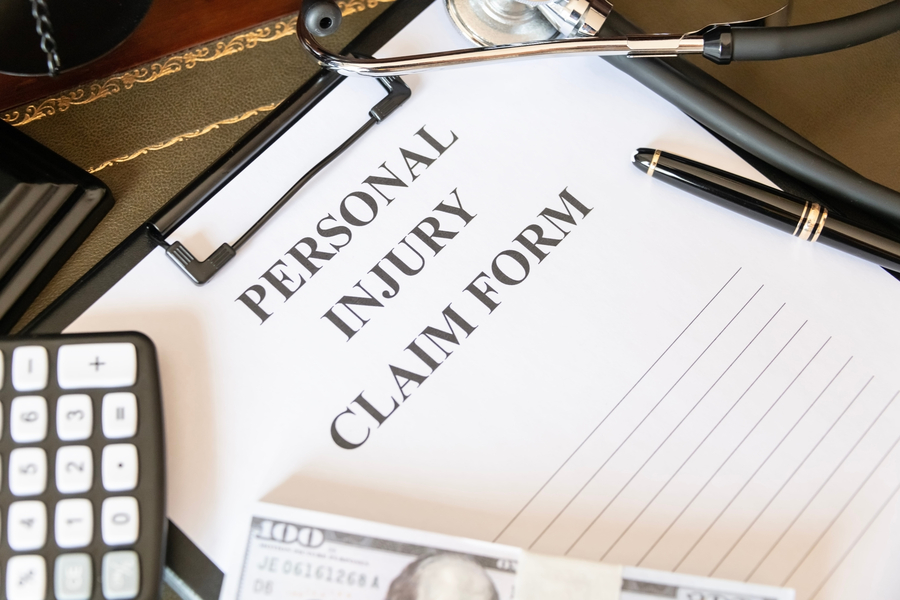
When people think about injury cases, physical injuries often come to mind first. However, emotional distress, anxiety, PTSD, depression, and other psychological effects may also play an important role after an accident. In this blog, Hicks & Motto explain how mental health can affect Personal Injury Claims, including evidence, compensation, legal challenges, and the importance of documenting both physical and emotional harm.

Understanding Personal Injury Claims

Before discussing the impact of mental health, it’s important to have a clear understanding of what personal injury claims involve. These claims are legal disputes that arise when an individual suffers harm from an accident or injury, and someone else might be legally responsible for that harm. The goal is to seek compensation for damages, which can include medical expenses, lost wages, and pain and suffering.

The Role of a Personal Injury Attorney

In these cases, a personal injury attorney is important in navigating the legal system, gathering evidence, and advocating for the claimant’s rights. A knowledgeable attorney can make a difference in the outcome of the case, especially when mental health issues are involved.

Mental Health and Its Impact on Personal Injury Claims

Mental health issues can arise as a direct result of an accident or injury, or they may be pre-existing conditions exacerbated by the incident. Either way, these issues can affect personal injury claims in several ways.

Psychological Injuries as Part of the Claim

It’s important to understand that psychological injuries are as valid as physical ones in a personal injury claim. Conditions such as PTSD, depression, and anxiety can result from traumatic events, and they can have long-lasting effects on an individual’s life.

  • PTSD (Post-Traumatic Stress Disorder): Often associated with severe accidents, PTSD can cause flashbacks, nightmares, and severe anxiety, impacting daily life.
  • Depression and Anxiety: These conditions can develop after an accident, leading to emotional distress and reduced quality of life.
  • Chronic Pain and Mental Health: Chronic physical pain from injuries can also contribute to mental health issues, creating a difficult interplay between physical and psychological suffering.

The Legal Challenges of Mental Health in Personal Injury Claims

While mental health issues are recognized in personal injury claims, they present unique challenges in the legal process. Proving psychological injuries can be more difficult than proving physical ones, requiring detailed evidence and expert testimony.

Proving Psychological Injuries

To successfully include mental health issues in a personal injury claim, it’s important to gather comprehensive evidence, which may include:

  1. Medical Records: Documentation from mental health professionals is important in supporting claims of psychological injuries.
  2. Expert Testimony: Mental health experts can provide testimony to explain the extent of psychological injuries and their impact on the claimant’s life.
  3. Personal Testimonies: Statements from family, friends, and colleagues can offer insight into how the claimant’s life has changed post-incident.

Challenges in Valuing Psychological Injuries

Another challenge is calculating psychological injuries in terms of compensation. Unlike physical injuries, which can be measured through medical bills and treatment costs, psychological injuries require a different approach. Compensation for mental health issues often involves:

  • Non-Economic Damages: These damages account for pain and suffering, emotional distress, and loss of enjoyment of life.
  • Therapy and Treatment Costs: Ongoing mental health treatment can be costly, and these expenses should be included in the claim.

The Role of a Personal Injury Attorney in Mental Health Claims

Handling the details of personal injury claims involving mental health issues requires expertise and experience. This is where a personal injury attorney in Palm Beach Gardens, FL can play an important role.

Advocating for Comprehensive Compensation

An experienced attorney understands the details of mental health claims and can help ensure that psychological injuries are given the attention they deserve. This includes:

  • Thorough Case Evaluation: An attorney will evaluate the full scope of the claimant’s injuries, both physical and psychological, to build a strong case.
  • Expert Network: Attorneys often have access to a network of mental health experts who can provide valuable testimony and evaluations.
  • Negotiation Skills: Skilled negotiators can advocate for fair compensation that reflects the true impact of mental health issues on the claimant’s life.

The Importance of Recognizing Mental Health in Personal Injury Claims

Recognizing the impact of mental health on personal injury claims is not only important for achieving fair compensation but also for raising awareness about the importance of psychological well-being. By acknowledging mental health issues in legal proceedings, we take a step towards reducing the stigma and ensuring that individuals receive the support they need.

Supporting Mental Health Recovery

Beyond compensation, addressing mental health in personal injury claims can facilitate recovery by providing resources for therapy, counseling, and support groups. This complete approach acknowledges the interconnectedness of physical and mental health.

Mental health plays a significant role in personal injury claims, affecting both the legal process and the compensation awarded. Understanding this connection is essential for claimants and attorneys alike, as it ensures that psychological injuries receive the attention and respect they deserve. At Hicks & Motto Law Firm, we are committed to advocating for our clients’ overall well-being, recognizing the importance of both physical and mental health in personal injury cases.

If you or a loved one is dealing with the aftermath of an accident, consider reaching out to a personal injury attorney in Palm Beach Gardens, FL to explore your options and ensure that your rights are protected.

For more information on personal injury claims and mental health, or to seek legal assistance, contact Hicks & Motto Law Firm and learn how we can support you in your journey towards recovery and justice.

Arrow-Left IconBack to all news
We use cookies to personalise content and ads, to provide social media features and to analyse our traffic. We also share information about your use of our site with our social media, advertising and analytics partners.
Cookies settings
Accept
Privacy & Cookie policy
Privacy & Cookies policy
Cookie name Active

Privacy Policy

What information do we collect?

We collect information from you when you register on our site or place an order. When ordering or registering on our site, as appropriate, you may be asked to enter your: name, e-mail address or mailing address.

What do we use your information for?

Any of the information we collect from you may be used in one of the following ways: To personalize your experience (your information helps us to better respond to your individual needs) To improve our website (we continually strive to improve our website offerings based on the information and feedback we receive from you) To improve customer service (your information helps us to more effectively respond to your customer service requests and support needs) To process transactions Your information, whether public or private, will not be sold, exchanged, transferred, or given to any other company for any reason whatsoever, without your consent, other than for the express purpose of delivering the purchased product or service requested. To administer a contest, promotion, survey or other site feature To send periodic emails The email address you provide for order processing, will only be used to send you information and updates pertaining to your order.

How do we protect your information?

We implement a variety of security measures to maintain the safety of your personal information when you place an order or enter, submit, or access your personal information. We offer the use of a secure server. All supplied sensitive/credit information is transmitted via Secure Socket Layer (SSL) technology and then encrypted into our Payment gateway providers database only to be accessible by those authorized with special access rights to such systems, and are required to?keep the information confidential. After a transaction, your private information (credit cards, social security numbers, financials, etc.) will not be kept on file for more than 60 days.

Do we use cookies?

Yes (Cookies are small files that a site or its service provider transfers to your computers hard drive through your Web browser (if you allow) that enables the sites or service providers systems to recognize your browser and capture and remember certain information We use cookies to help us remember and process the items in your shopping cart, understand and save your preferences for future visits, keep track of advertisements and compile aggregate data about site traffic and site interaction so that we can offer better site experiences and tools in the future. We may contract with third-party service providers to assist us in better understanding our site visitors. These service providers are not permitted to use the information collected on our behalf except to help us conduct and improve our business. If you prefer, you can choose to have your computer warn you each time a cookie is being sent, or you can choose to turn off all cookies via your browser settings. Like most websites, if you turn your cookies off, some of our services may not function properly. However, you can still place orders by contacting customer service. Google Analytics We use Google Analytics on our sites for anonymous reporting of site usage and for advertising on the site. If you would like to opt-out of Google Analytics monitoring your behaviour on our sites please use this link (https://tools.google.com/dlpage/gaoptout/)

Do we disclose any information to outside parties?

We do not sell, trade, or otherwise transfer to outside parties your personally identifiable information. This does not include trusted third parties who assist us in operating our website, conducting our business, or servicing you, so long as those parties agree to keep this information confidential. We may also release your information when we believe release is appropriate to comply with the law, enforce our site policies, or protect ours or others rights, property, or safety. However, non-personally identifiable visitor information may be provided to other parties for marketing, advertising, or other uses.

Registration

The minimum information we need to register you is your name, email address and a password. We will ask you more questions for different services, including sales promotions. Unless we say otherwise, you have to answer all the registration questions. We may also ask some other, voluntary questions during registration for certain services (for example, professional networks) so we can gain a clearer understanding of who you are. This also allows us to personalise services for you. To assist us in our marketing, in addition to the data that you provide to us if you register, we may also obtain data from trusted third parties to help us understand what you might be interested in. This ‘profiling’ information is produced from a variety of sources, including publicly available data (such as the electoral roll) or from sources such as surveys and polls where you have given your permission for your data to be shared. You can choose not to have such data shared with the Guardian from these sources by logging into your account and changing the settings in the privacy section. After you have registered, and with your permission, we may send you emails we think may interest you. Newsletters may be personalised based on what you have been reading on theguardian.com. At any time you can decide not to receive these emails and will be able to ‘unsubscribe’. Logging in using social networking credentials If you log-in to our sites using a Facebook log-in, you are granting permission to Facebook to share your user details with us. This will include your name, email address, date of birth and location which will then be used to form a Guardian identity. You can also use your picture from Facebook as part of your profile. This will also allow us and Facebook to share your, networks, user ID and any other information you choose to share according to your Facebook account settings. If you remove the Guardian app from your Facebook settings, we will no longer have access to this information. If you log-in to our sites using a Google log-in, you grant permission to Google to share your user details with us. This will include your name, email address, date of birth, sex and location which we will then use to form a Guardian identity. You may use your picture from Google as part of your profile. This also allows us to share your networks, user ID and any other information you choose to share according to your Google account settings. If you remove the Guardian from your Google settings, we will no longer have access to this information. If you log-in to our sites using a twitter log-in, we receive your avatar (the small picture that appears next to your tweets) and twitter username.

Children’s Online Privacy Protection Act Compliance

We are in compliance with the requirements of COPPA (Childrens Online Privacy Protection Act), we do not collect any information from anyone under 13 years of age. Our website, products and services are all directed to people who are at least 13 years old or older.

Updating your personal information

We offer a ‘My details’ page (also known as Dashboard), where you can update your personal information at any time, and change your marketing preferences. You can get to this page from most pages on the site – simply click on the ‘My details’ link at the top of the screen when you are signed in.

Online Privacy Policy Only

This online privacy policy applies only to information collected through our website and not to information collected offline.

Your Consent

By using our site, you consent to our privacy policy.

Changes to our Privacy Policy

If we decide to change our privacy policy, we will post those changes on this page.
Save settings
Cookies settings