Our News
Who Is Liable When a Pedestrian Is Hit in a Crosswalk?
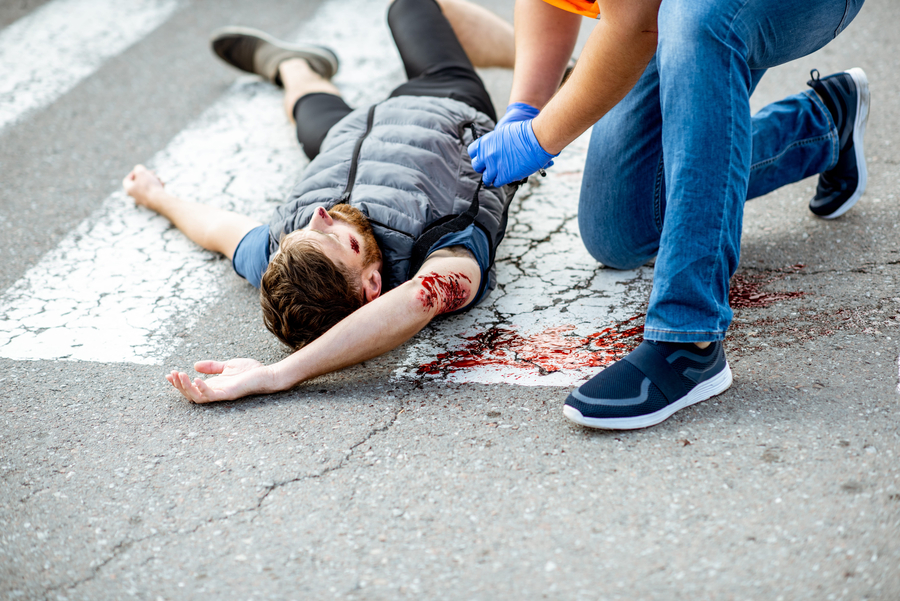
Being struck while crossing the street can lead to serious injuries and immediate questions about who was responsible. In a pedestrian accident in Florida, liability can depend on where the collision occurred, the traffic signals, the actions of the driver and pedestrian, and whether either party failed to follow an applicable duty. Hicks & Motto helps injured pedestrians evaluate these circumstances and the evidence that may affect a claim.
Responsibility generally depends on what each person did before the collision, whether anyone failed to follow a legal duty, and whether that conduct contributed to the injuries. The driver may be at fault for speeding, failing to yield, or driving while distracted. A pedestrian’s actions may also be considered. In some cases, more than one party may share responsibility.
At Hicks & Motto Law Firm, we know that understanding the issues early can help injured people make informed decisions. This guide explains how Florida law may apply, what evidence can clarify the events, and why crosswalk accident liability is often more complicated than it first appears.
How Florida Law Addresses Crosswalks
Florida law requires drivers and pedestrians to follow specific rules at intersections and crosswalks. Under Florida Statute 316.130, drivers must exercise due care to avoid colliding with pedestrians. The statute also addresses a driver’s duty to yield when a pedestrian is crossing within a crosswalk, subject to the circumstances described in the law.
Pedestrians have duties as well. They generally must obey applicable traffic signals and use a crosswalk when crossing between adjacent intersections where traffic signals are operating. A pedestrian should not suddenly leave a curb or other place of safety and move into the path of a vehicle so close that the driver cannot yield. The precise duties involved depend on the location and conditions of the crossing.
Marked and Unmarked Crosswalks
Some crosswalks are identified by painted lines. Others may exist at an intersection even without painted markings, depending on the road layout and Florida’s legal definition. Therefore, the absence of visible stripes does not automatically establish that a pedestrian was outside a crosswalk. Investigators may need to examine the intersection, signals, signs, curb ramps, and applicable traffic rules.
It is also important to distinguish a crosswalk from a pedestrian’s right to cross at any moment. A person crossing against a signal, crossing outside a permitted area, or entering the roadway when a vehicle is too close to stop safely may face questions about their conduct. Even then, the driver’s actions must be examined separately. A pedestrian’s mistake does not necessarily excuse a driver who could have avoided the collision by paying attention or driving at a safe speed.
When a Driver May Be Liable
Drivers must operate their vehicles with reasonable care and respond appropriately to the road, traffic signals, and people nearby. A driver may be found negligent if they fail to meet that standard and their conduct contributes to a pedestrian’s injuries. The specific facts matter: an apparent right-of-way violation is important, but it is not the only question in a claim.
Common Forms of Driver Negligence
- Failure to yield: A driver may have failed to yield to a pedestrian lawfully crossing within a crosswalk.
- Speeding or driving too fast for conditions: Even when a driver is within the posted speed limit, rain, darkness, congestion, or limited visibility may call for a slower speed.
- Distraction: Looking at a phone, navigation screen, or other distraction may delay a driver’s response to someone in the road.
- Failure to obey a signal: Running a red light or turning without checking for pedestrians can create a serious risk at an intersection.
- Impaired or fatigued driving: Alcohol, drugs, or exhaustion can affect a driver’s judgment and reaction time.
- Unsafe turning or backing: Drivers turning through a crosswalk or backing near a pedestrian area must remain alert to people who may be in their path.
For example, a driver turning right on a green light may still need to check the crosswalk before moving. If a pedestrian is crossing with the signal and the driver turns without looking, the driver’s turn may be a central issue in the liability investigation. A green light for the vehicle does not, on its own, resolve every question about what the driver should have seen or done.
Can a Pedestrian Share Responsibility?
Yes. Florida applies a modified comparative fault system under Florida Statute 768.81. In general, a person’s recoverable damages may be reduced according to their share of fault. Under the statute, a claimant who is found to be more than 50 percent at fault for their own harm is generally barred from recovering damages in a negligence action, subject to the law’s details and any applicable exceptions.
Pedestrian conduct that may be considered includes crossing against a signal, entering the roadway suddenly, or crossing outside a required crosswalk. Visibility conditions, lighting, and sight obstructions may also be relevant to the overall investigation. These facts do not automatically make the pedestrian legally responsible. For instance, a driver may have had time to stop but failed to notice a person already crossing.
Fault is usually based on the complete circumstances, not a single detail. The speed of the vehicle, the pedestrian’s location, signal timing, sight lines, lighting, and the actions of both parties may all be relevant. If the pedestrian is assigned a percentage of fault, that may reduce or affect recovery; it may affect the amount of compensation available, depending on the applicable law.
What Evidence Helps Establish Liability?
Evidence can help reconstruct what happened before and during a collision. It may also preserve details that are easy to lose as time passes, such as the position of vehicles or the timing of a traffic signal. If you were a pedestrian hit by a car, prioritize your safety and seek medical attention when needed. When it is safe and practical, the following information may help document the incident.
- Police reports: A police report may document statements, roadway conditions, witness information, and observations from the scene, but liability is determined from the available evidence and applicable law.
- Photographs and video: Images of the crosswalk, traffic signals, vehicle damage, sight lines, lighting, and visible injuries may help show the conditions at the time.
- Witness accounts: People who saw the collision may provide independent descriptions of the driver’s speed, the pedestrian’s movements, or the signal status.
- Traffic and business camera footage: Video from nearby cameras may capture the collision or the moments leading up to it. Some systems overwrite footage quickly, so prompt requests may be important.
- Vehicle data and phone records: In certain cases, vehicle event data or records related to phone use may help provide information about speed, braking, or possible distraction. Access and use of these records are subject to legal requirements.
- Medical records: Treatment records connect the collision to the injuries and document the care required. Following medical advice can also support recovery.
Evidence should be gathered lawfully and carefully. Do not put yourself in danger to photograph a crash scene, and avoid posting detailed opinions or speculation about fault online. If a driver or insurer contacts an injured person, it can be helpful to understand the purpose of the communication before providing a recorded statement or signing documents.
Other Parties May Also Be Involved
The driver and pedestrian are not always the only parties whose conduct deserves review. If a vehicle was being used for work, an employer may be relevant depending on the driver’s role and the circumstances. A vehicle owner may also be involved in some situations. Additionally, a dangerous road condition—such as an obstructed sight line, malfunctioning signal, or poorly maintained crossing- may raise questions about a property owner or government entity.
Claims involving public agencies can have special rules, notice requirements, and deadlines. Identifying a potentially responsible party is not the same as proving liability; the facts and applicable law must be carefully evaluated. When several factors contributed to the collision, other potentially responsible parties may also need to be investigated.
Steps to Take After a Crosswalk Collision
- Get medical attention. Call emergency services when needed and follow up with a healthcare professional. Some injuries may not be obvious immediately.
- Report the collision. Contact law enforcement and provide accurate information about what you remember.
- Preserve available details. Save photographs, witness names, medical paperwork, and communications related to the incident.
- Keep a record of the impact. Track treatment, time missed from work, transportation costs, and how the injuries affect daily activities.
- Be cautious with quick settlement offers. An early offer may not account for the full course of treatment or lasting effects. Consider the terms and consequences before accepting.
- Learn about deadlines. Florida deadlines can depend on the type of claim and the parties involved. Waiting too long may affect the ability to pursue compensation.
How a Personal Injury Lawyer Can Help
A personal injury lawyer may help investigate the pedestrian accident in Florida, request available records, assess how comparative fault could affect a claim, and communicate with insurance companies. Legal guidance can be especially useful when the driver disputes responsibility, the injuries are serious, several parties may be involved, or evidence needs to be preserved quickly.
At Hicks & Motto Law Firm, our approach is to consider the full picture: what the traffic rules required, what each person could reasonably see and do, and how the collision affected the injured pedestrian. No two cases are identical, and no outcome can be guaranteed. A review of the facts and available evidence can help determine which legal options may apply.
Liability Depends on the Full Story
When a pedestrian is hit in a crosswalk, the driver may be liable for failing to yield, driving carelessly, or otherwise causing the collision. But investigators may also examine the pedestrian’s conduct, road conditions, and the actions of other possible parties. Florida’s comparative fault rules can affect whether compensation is available and how damages may be calculated.
Prompt medical care and careful preservation of evidence can make a meaningful difference in understanding what happened. If you or someone close to you has been injured, speaking with a qualified professional can help you understand the facts, applicable deadlines, and potential next steps. Our team at Hicks & Motto Law Firm can discuss the circumstances of a crosswalk collision and help identify questions that may need further investigation.
Injured in a crosswalk or another pedestrian collision? Contact Hicks & Motto Law Firm to discuss the circumstances of the accident, available evidence, and how Florida’s comparative fault rules may affect your claim. A personal injury lawyer can review the driver’s conduct, traffic controls, witness or camera evidence, and other factors that may be relevant to determining liability.
 Back to all news