After a crash, determining who is legally responsible is not always straightforward. When stories conflict and disputed fault becomes an issue, accident liability can depend on far more than just a police report. At Hicks & Motto, an experienced Car Accidents Attorney in Palm Beach Gardens, FL helps clients understand police report limits, gather stronger evidence, and protect their rights when responsibility is challenged.
The Importance of Determining Fault
Determining fault is crucial because it influences who is liable for damages and whose insurance will cover the costs. Whether you’re dealing with medical expenses, vehicle repairs, or other costs, knowing who is responsible can significantly impact the financial outcomes for both parties involved.
Legal Implications of Fault
Fault determinations affect not only insurance claims but also any legal actions that may follow. In some cases, disputes over fault can lead to lawsuits, where a court will ultimately decide who was responsible for the accident. This is where having a competent Car Accidents Attorney like Hicks & Motto becomes crucial, as they can help handle the legal process of accident liability.
Factors That Influence Fault Determination
When fault is disputed, several factors come into play. Understanding these can help clarify how responsibility is assigned.
Police Reports
Police reports are often the first piece of evidence considered in determining fault. While they provide an official account of the accident, they have limitations. Officers at the scene may not witness the crash and rely on statements from involved parties and witnesses. Thus, police reports are not infallible and can sometimes be challenged.
Witness Statements
Witnesses can offer valuable insights into the events leading up to and during the crash. Their accounts can corroborate or contradict the stories of those involved. However, witness reliability can be affected by numerous factors, including their vantage point and whether they were distracted at the time of the incident.
Physical Evidence
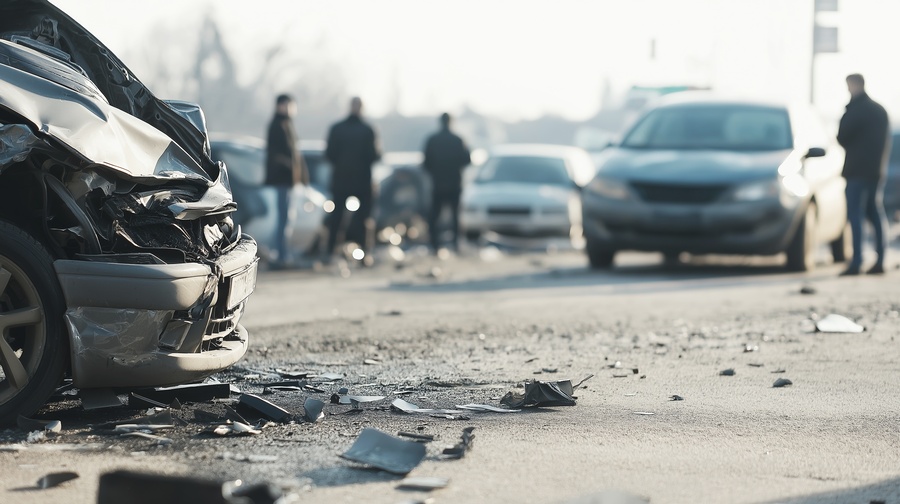
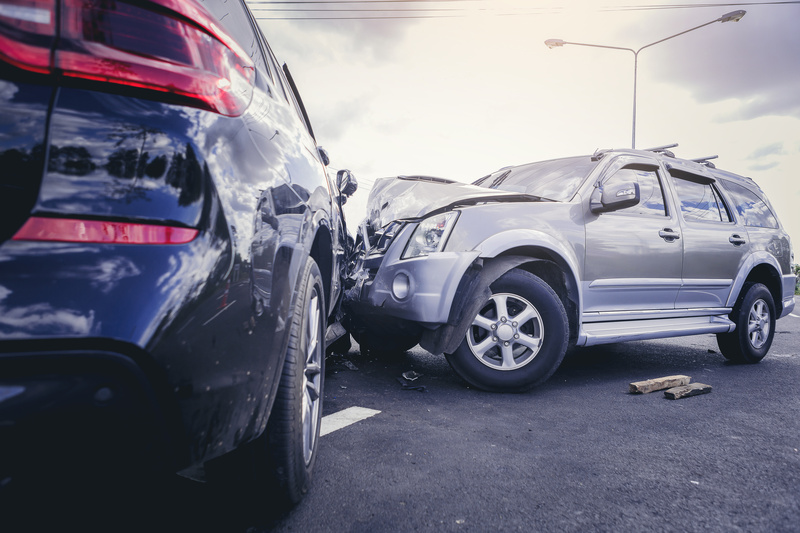
Physical evidence plays a critical role in fault determination. This includes vehicle damage, skid marks, and debris at the scene, which can help reconstruct the accident. Accident reconstruction experts might be called upon to analyze this evidence and provide their professional opinions.
Traffic Laws
Traffic laws are another important factor. Violations, such as running a red light or speeding, can significantly impact the determination of fault. If either party were cited for a traffic violation, it could influence the liability decision.
The Role of Insurance Companies
Insurance companies are closely involved in deciding fault. They perform their own investigations, which may include reviewing police reports, speaking with witnesses, and examining physical evidence. Their goal is to determine the extent of their liability and the amount they need to pay out.
Insurance Adjusters
Insurance adjusters play a key role in this process. They assess the damage, gather evidence, and make recommendations on fault. However, their conclusions can be influenced by the interests of the insurance company, which is why it’s wise to consult with a knowledgeable attorney if you disagree with their findings.
Disputed Fault: What to Do Next
When fault is disputed, it’s essential to take specific actions to protect your interests and work toward a fair outcome.
Document Everything
Immediately after the accident, document everything you can. Take photographs of the scene, the vehicles involved, and any visible injuries. Collect contact information from witnesses and make detailed notes about what you remember of the incident.
Consult with a Car Accidents Attorney
Consulting with a Car Accidents Attorney in Palm Beach Gardens, FL can be invaluable. An attorney can help gather evidence, work with experts, and negotiate with insurance companies to ensure your rights are protected.
Consider Mediation or Arbitration
If negotiations stall, mediation or arbitration can be practical alternatives to going to court. These processes involve a neutral third party who can help reach an agreement. They are typically faster and less expensive than going to court.
Understanding Comparative and Contributory Negligence
Different states handle fault and liability differently. Understanding these concepts is crucial when a fault is disputed.
Comparative Negligence
In comparative negligence states, fault is divided between the parties involved. Each party is assigned a percentage of fault, and their compensation is adjusted accordingly. For example, if you’re found to be 20% at fault, your compensation would be reduced by that percentage.
Contributory Negligence
Contributory negligence is more stringent. In states that follow this rule, if you’re found to have any fault, you may be barred from recovering any damages. This highlights the importance of having robust evidence and legal representation.
Navigating Disputed Fault
When fault is disputed after a car crash, understanding the factors that influence responsibility can make a significant difference in the outcome of your case. By documenting the incident, consulting with legal experts, and exploring all available options, you can protect your interests and work towards a fair resolution. At our firm, we understand the complexities of accident liability and are here to assist you every step of the way. If you find yourself in such a situation, don’t hesitate to reach out to Hicks & Motto for guidance and support.